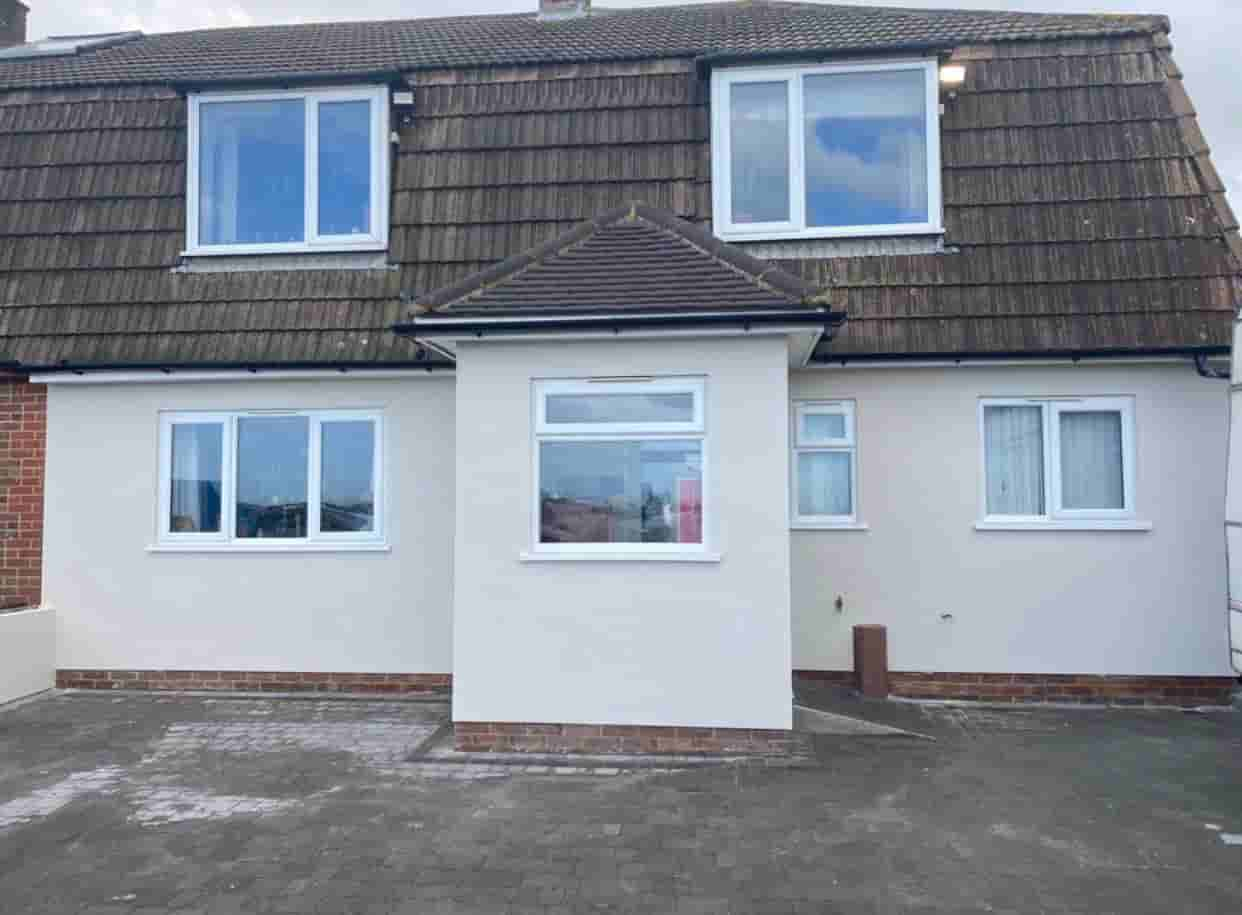
A roof plays an essential role in protecting a property from rain, wind and changing weather conditions. However, because most roofing materials are exposed to the elements throughout the year, gradual deterioration is inevitable. Small defects can develop without being immediately noticeable, eventually leading to leaks, damaged roofing components and more extensive repair work.
Regular roof inspections help identify these issues before they become more serious. By checking the condition of the roof and addressing early warning signs, property owners can maintain better protection and reduce the likelihood of unexpected roofing problems. For homeowners in Cotgrave, Nottingham, professional inspections from Cotgrave Roofing Repairs can help keep roofing systems in good condition throughout the year.
Why Regular Roof Inspections Are Important
Roofing problems do not always appear suddenly. In many cases, damage develops gradually as materials age and experience repeated exposure to adverse weather. A slipped tile, deteriorating flashing or blocked gutter may initially seem minor, but each can affect how effectively the roof protects the property.
Regular inspections provide an opportunity to assess the overall condition of the roofing system. Rather than waiting until water enters the property or visible damage becomes apparent, potential weaknesses can be identified at an earlier stage.
This proactive approach is particularly useful because some roofing defects are difficult to recognise from ground level. Professional roofers can examine accessible areas and identify problems that may otherwise go unnoticed.
Identifying Loose, Cracked or Missing Roof Tiles
Roof tiles and slates form the main protective covering of many pitched roofs. Over time, individual pieces can become loose, cracked or displaced because of weather exposure, ageing materials or movement within the roof structure.
Even a small gap in the covering can allow rainwater to reach the underlying roof components. If the problem remains unresolved, moisture may affect the roof battens, underlay and internal areas of the property.
During an inspection, a roofer can check for visible tile damage, uneven sections and signs that individual tiles are no longer securely positioned. Identifying these defects early allows suitable repairs to be arranged before further deterioration occurs.
Checking Flashing and Roof Joints
Flashing is used around vulnerable areas such as chimneys, roof valleys and junctions where different roof sections meet. These locations require effective weatherproofing because water can collect or flow across them during rainfall.
Over time, lead flashing and other sealing materials may develop cracks, loosen or deteriorate. Small gaps can create opportunities for water to penetrate beneath the roof covering.
Regular inspections help identify problems around these joints before they develop into persistent leaks. Where defects are found, appropriate repairs can restore the protection provided by these important roofing details.
Preventing Problems Caused by Blocked or Damaged Gutters
Guttering is closely connected to the performance of a roof because it directs rainwater away from the building. When gutters become blocked with leaves, moss and other debris, water may overflow instead of draining correctly.
Repeated overflow can contribute to damp patches, staining and deterioration around roof edges and external walls. Damaged or poorly aligned gutters can create similar problems by preventing water from flowing towards the downpipes.
An inspection can help identify blockages, loose gutter brackets, leaking joints and other defects. Keeping the drainage system clear and functioning properly reduces the risk of water-related damage developing around the roofline.
Recognising Early Signs of Roof Leaks
Not every roof leak produces an obvious stream of water indoors. Early signs may include small ceiling stains, peeling paint, damp patches in the loft or an unexplained musty smell.
These symptoms can indicate that moisture is entering through damaged tiles, defective flashing or another vulnerable part of the roofing system. However, the visible signs inside a property do not always reveal the exact location of the problem.
Regular inspections can help connect these warning signs with potential defects on the roof. Finding the source of moisture is important because simply treating internal staining will not resolve the underlying roofing issue.
Assessing Roof Ventilation and Signs of Condensation
Roof inspections can also help identify conditions that contribute to moisture problems within loft spaces. Poor ventilation may allow warm, moist air to accumulate, increasing the likelihood of condensation forming on colder surfaces.
Condensation can sometimes be mistaken for a roof leak, although the causes and appropriate solutions are different. Signs such as damp insulation, moisture on roof timbers and persistent condensation on loft surfaces may indicate that ventilation needs attention.
A professional assessment can help distinguish between possible water ingress and condensation-related issues, ensuring that the correct problem is addressed.
How Often Should a Roof Be Inspected?
The appropriate inspection frequency depends on the roof’s age, materials, condition and exposure to weather. As a general maintenance measure, arranging a professional inspection approximately once a year can help identify gradual deterioration.
It is also sensible to consider an additional assessment following particularly severe weather, especially if there are signs of displaced tiles, fallen debris or water entering the property.
Older roofs and those with a history of recurring problems may benefit from closer monitoring. Inspections should be carried out safely by experienced professionals rather than homeowners attempting to access the roof themselves.
The Benefits of Addressing Roofing Defects Early
One of the main advantages of regular inspections is the opportunity to deal with isolated defects before they affect larger sections of the roof. Replacing a damaged tile, repairing flashing or clearing a drainage problem can help prevent more extensive deterioration.
Early attention also helps maintain the condition of the roof structure and reduces the possibility of moisture affecting ceilings, insulation and internal finishes.
For property owners in Cotgrave, having a clear understanding of the roof’s condition makes it easier to plan maintenance and respond appropriately when repairs are needed.
Conclusion
Regular roof inspections are an important part of maintaining a reliable roofing system. By identifying damaged tiles, deteriorating flashing, drainage problems and early signs of water ingress, property owners can address defects before they develop into more serious concerns.
For homeowners in Cotgrave, Nottingham, Cotgrave Roofing Repairs provides professional roofing support to help identify and resolve problems affecting roof condition and performance. If your roof has not been inspected recently or you have noticed signs of deterioration, contact Cotgrave Roofing Repairs to arrange a professional assessment.
Call us on: 0115 647 1193
Click here to find out more about Cotgrave Roofing Repairs
Click here to complete our contact form and see how we can help with your roofing needs.