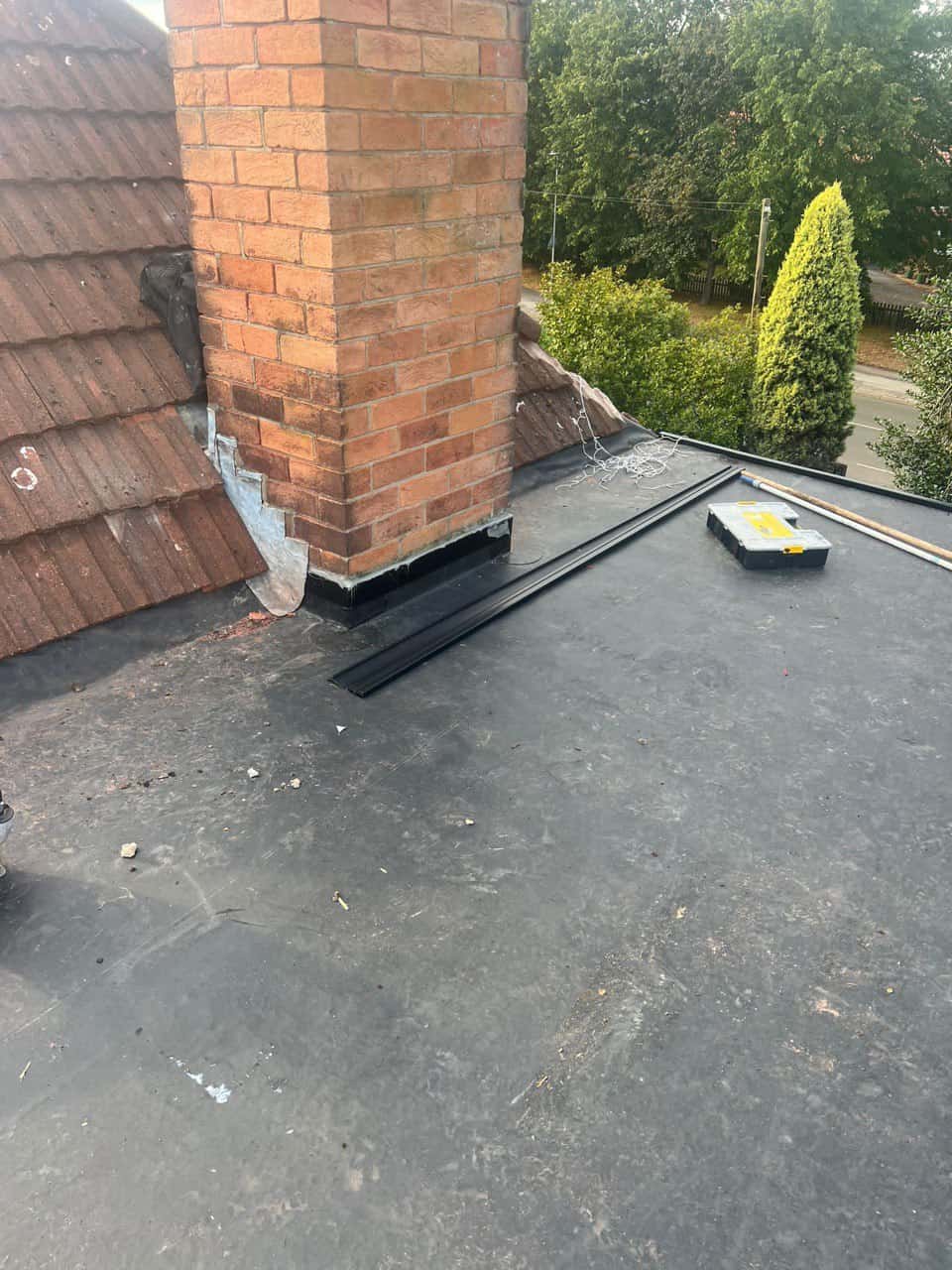
Pitched roofs are designed to direct rainwater towards the guttering, but their performance depends on more than the visible tiles. Every tile, fixing, joint and weatherproof detail must work together to prevent moisture from entering the roof structure.
Leaks commonly develop where tiles meet another part of the roof or an adjoining structure. These areas interrupt the natural flow of water and often contain additional materials, such as flashing, mortar or underlay. Understanding why these vulnerable points fail can help property owners in Cotgrave, Nottingham, recognise when professional attention is needed.
What Causes Leaks Around Roof Tiles and Junctions?
A roof leak does not always mean that the entire pitched roof has deteriorated. In many cases, water is entering through a specific defect that can be located and repaired. The challenge is identifying the true entry point rather than treating only the visible damp patch.
Cracked, Slipped or Poorly Seated Tiles
Roof tiles form an overlapping barrier that allows rainwater to travel safely down the slope. If one tile cracks, slips or lifts out of position, water may reach the underlay beneath it.
A tile can appear only slightly displaced from ground level while leaving a significant opening underneath. Wind-driven rain can then pass beyond the normal overlaps and enter the roof system.
Tiles may move because of deteriorated fixings, weather exposure or movement in the supporting battens. Replacing the affected tile is important, but the condition of its fixing and surrounding materials should also be checked.
Worn or Damaged Roof Underlay
The underlay beneath the tiles provides a secondary layer of protection. When small amounts of moisture pass through the outer covering, this layer helps direct the water towards the eaves.
Over time, underlay can tear, become brittle or deteriorate around nail holes. Water entering through a displaced tile may then pass through the damaged membrane and into the roof space.
Because the underlay is hidden, its condition cannot usually be judged by looking at the tiles alone. This is one reason why a roof can leak even when its external covering appears largely intact.
Failed Flashing at Roof Junctions
Flashing seals the points where the roof meets chimneys, walls, dormers and other raised structures. These junctions are particularly exposed because water gathers and changes direction around them.
Leaks can develop when flashing lifts, cracks or separates from the adjoining surface. Gaps may also appear where individual sections overlap. Once the seal is compromised, rainwater can travel behind the flashing and into the roof construction.
A lasting repair must restore the complete junction. Applying a surface covering without addressing failed laps or movement underneath may not stop the leak.
Problems Within Valleys
Roof valleys are channels formed where two pitched sections meet. They carry a concentrated flow of rainwater, which makes their condition especially important.
Leaves, moss and debris can obstruct a valley and prevent water from draining freely. The trapped water may spread beneath nearby tiles or overflow into vulnerable joints. Valley linings can also split, corrode or move, allowing moisture to enter below the visible roof covering.
Cleaning the surface will help when debris is the only problem. Damage to the lining or surrounding tiles, however, requires a properly planned repair.
Deterioration Around Ridges, Hips and Verges
Ridge tiles cover the highest point of a roof, while hip tiles protect the external meeting line between two slopes. Verges finish the exposed edges. These areas may depend on mortar or mechanical fixings to remain secure and weather-resistant.
Cracked mortar, loose components or small gaps can give rainwater a route into the roof. Wind can make the problem worse by driving moisture beneath sections that still appear to be in place.
The repair should stabilise the affected detail and restore its weatherproofing rather than simply covering the visible crack.
Why the Damp Patch May Not Identify the Defect
Water rarely falls directly from the point where it enters. It can travel along underlay, battens, rafters and pipework before reaching a ceiling or wall. As a result, the internal stain may appear some distance from the damaged tile or junction.
Roof pitch, wind direction and the intensity of rainfall can all affect how water moves. A leak might therefore appear only during certain weather conditions, making casual observation unreliable.
Professional leak detection follows the likely route of the moisture and examines the roof above and around the affected room. This reduces the risk of repairing the wrong area while leaving the original defect untouched.
Signs That a Pitched Roof Needs Attention
Property owners should arrange an inspection when they notice:
- New or expanding stains on ceilings and walls
- Dampness or musty odours in the roof space
- Cracked, loose or uneven tiles
- Debris from mortar around the property
- Daylight visible through the roof covering
- Damp roof timbers or insulation
- Water marks close to a chimney, valley or wall junction
Prompt investigation helps limit the distance that moisture can spread through the roof structure and occupied rooms.
The Value of a Thorough Roof Inspection
An effective assessment considers the roof as a complete system. The visible tiles should be examined alongside the flashing, valleys, ridges, underlay, battens and internal roof space where accessible.
This approach allows the cause and extent of the leak to be established before repair work begins. It also helps identify nearby weaknesses that could undermine an otherwise sound localised repair.
Conclusion
Pitched roofs often begin leaking around tiles and junctions because these areas rely on secure overlaps, effective fixings and carefully formed weatherproof details. Slipped tiles, damaged underlay, failed flashing and deteriorated valleys can all allow water to enter, even when most of the roof still looks sound.
Cotgrave Roofing Repairs provides professional pitched roof inspections and repairs in Cotgrave, Nottingham. If you have noticed dampness, displaced tiles or signs of water entering around a roof junction, contact our team to arrange an assessment and determine the appropriate repair.
Call us on: 0115 647 1193
Click here to find out more about Cotgrave Roofing Repairs
Click here to complete our contact form and see how we can help with your roofing needs.