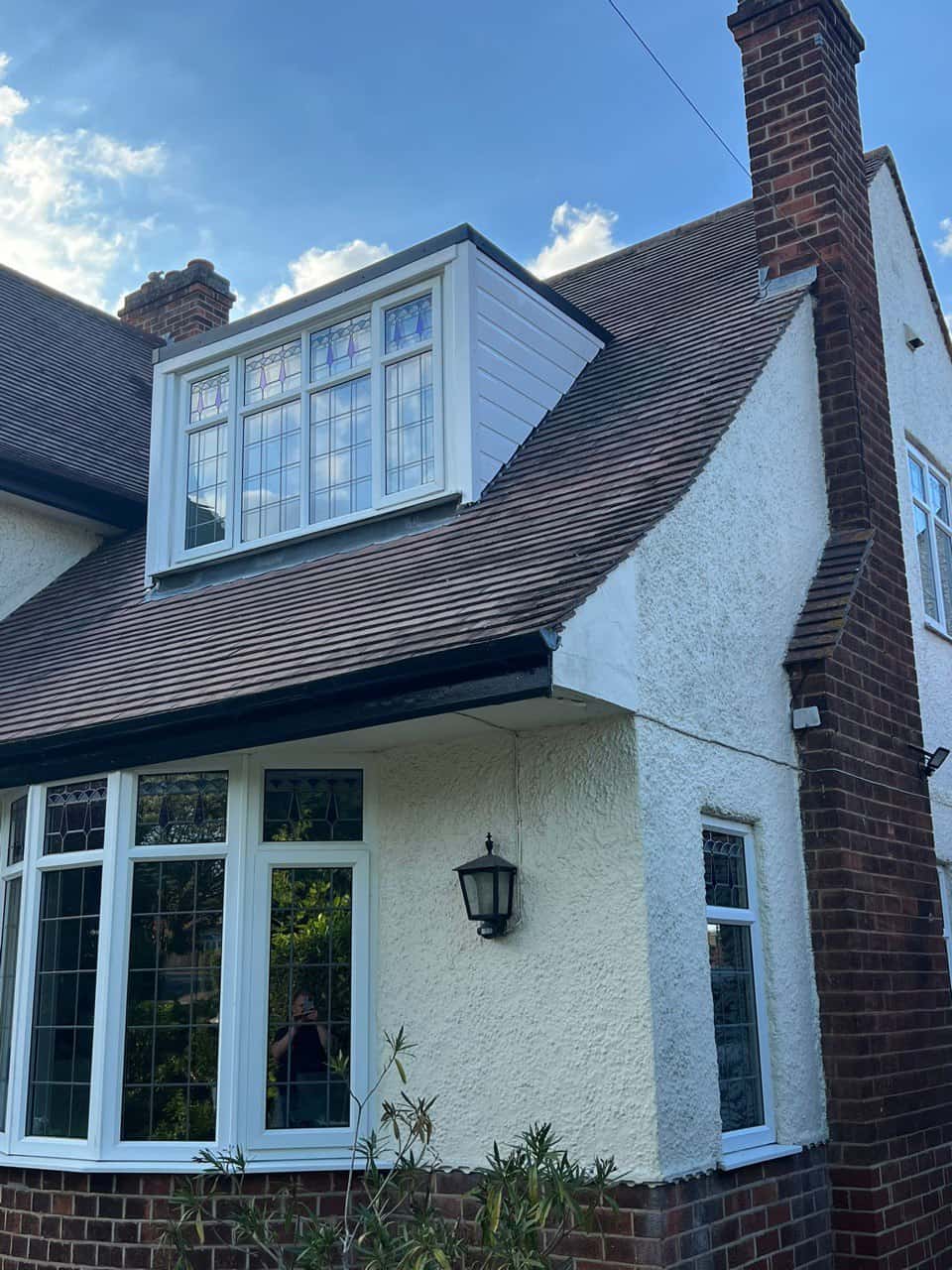
A roof leak can seem to appear without warning. One day everything inside the property is dry, and after a period of rainfall there is suddenly a damp patch on the ceiling or water entering the loft. Although the leak may appear sudden, the roofing defect responsible for it may have been developing gradually for some time.
For homeowners in Cotgrave, Nottingham, knowing what to look for can help provide useful information before professional repairs are carried out. At Cotgrave Roofing Repairs, we inspect roof leaks carefully to identify where water is entering, why the problem has developed and what work is required to restore reliable weather protection.
First, Look at Where the Water Is Appearing
The location of the visible leak is a useful starting point, but it should not be assumed to be the exact location of the roofing defect.
Rainwater can enter through one part of the roof and then travel along:
- Roofing underlay
- Rafters and other timbers
- Insulation
- Internal surfaces
- Roof junctions
It may eventually become visible several feet away from its original entry point.
This is one reason roof leak repairs require careful investigation rather than simply treating the roof immediately above an internal damp patch.
Check Whether Any Tiles Have Moved
Slipped, cracked or missing tiles are common sources of sudden water ingress.
Strong winds and prolonged weather exposure can cause individual tiles to move or become damaged. Once the protective arrangement of the roof covering has been disturbed, rain can reach the layers beneath.
From a safe position at ground level, you may be able to notice:
- Missing tiles
- Tiles sitting out of alignment
- Broken sections
- Gaps within the roof covering
- Roofing debris around the property
Even a relatively small gap deserves attention because the roof relies on its covering working continuously across the entire surface.
Consider What the Weather Was Doing When the Leak Appeared
The conditions immediately before the leak became noticeable can provide valuable clues.
For example, a leak that appears only during wind-driven rain may indicate a different vulnerability from water ingress that occurs whenever it rains.
Think about whether the problem followed:
- Heavy rainfall
- Strong winds
- Several consecutive wet days
- A particularly severe spell of weather
Extreme conditions can expose existing weaknesses that remained unnoticed during ordinary rainfall.
Inspect the Loft Where It Is Safe to Do So
If the loft can be accessed safely, visible signs of moisture may help establish how widespread the problem has become.
Look for signs such as:
- Damp insulation
- Dark marks on timbers
- Water droplets
- Moisture on the underlay
- Staining beneath the roof
- Dampness around chimney areas
Avoid touching electrical fittings or entering areas where conditions are unsafe.
Importantly, the highest visible wet point inside the loft can sometimes provide more useful information than the damp patch appearing on the ceiling below.
Check Areas Around Chimneys
Chimneys create several junctions where the roof covering meets another structure. These areas normally rely on carefully installed flashing to keep rainwater out.
Potential problems can include:
- Damaged flashing
- Gaps around junctions
- Deteriorated surrounding materials
- Problems with adjacent tiles
If the leak appears close to a chimney, these components should be included in a professional inspection rather than assuming that the surrounding tiles are solely responsible.
Lead Flashing Can Be the Source of a Leak
Flashing is used around vulnerable roof junctions to prevent water from entering.
Over time, flashing can become damaged, loose or separated from surrounding materials. Even a relatively small defect can provide a route for rainwater.
Common locations requiring flashing include:
- Chimneys
- Roof-to-wall junctions
- Certain valleys
- Changes within the roof structure
Because flashing problems can be difficult to identify from ground level, professional inspection is often necessary.
Roof Valleys Should Be Checked
A roof valley is where two sloping roof sections meet, creating a channel that carries significant quantities of rainwater.
Because valleys handle concentrated water flow, defects can result in noticeable leaks.
Problems may include:
- Accumulated debris
- Damaged valley materials
- Deteriorated junctions
- Displaced surrounding tiles
A leak occurring near a valley should therefore be investigated promptly.
Do Not Forget Ridge and Hip Areas
Ridge and hip tiles occupy exposed positions on pitched roofs. Strong winds, weathering and deterioration of their fixing systems can eventually result in movement.
A loose ridge or hip component can allow rain to penetrate surrounding areas.
Visible gaps, displaced sections or roofing debris following strong weather are all reasons to arrange an inspection.
Check Whether Gutters Are Overflowing
Not every apparent roof leak originates from the main roof covering.
Blocked or damaged gutters can cause rainwater to overflow in places where it would normally drain away safely. Water can then affect roof edges and surrounding parts of the property.
Look from ground level for:
- Water spilling over gutters
- Vegetation or debris in guttering
- Misaligned gutter sections
- Unusual water flow during rainfall
Correct roof drainage is an important part of keeping the property protected.
Flat Roof Sections Need Separate Attention
If your property includes a flat roof, extension or similar low-pitched section, the source of the leak may be within that surface.
Potential defects include:
- Splits
- Cracks
- Damaged joints
- Deteriorated edges
- Problems around outlets
- Localised surface failure
Standing water can also indicate that drainage is not working effectively.
A professional roofer can establish whether the problem is isolated and repairable or whether a larger section requires attention.
Why Can a Roof Start Leaking When It Was Fine Before?
A roof that suddenly leaks was not necessarily completely sound the previous day.
Small defects can remain unnoticed because normal rainfall does not always expose them. A particular combination of wind direction, rainfall intensity and duration may finally allow enough water through for the problem to become visible indoors.
A sudden leak can therefore be the first noticeable symptom of gradual deterioration involving:
- Ageing roofing materials
- Small tile cracks
- Loose flashing
- Worn junctions
- Deteriorating underlay
Finding the underlying cause is more important than simply stopping the visible drip.
The Underlay May Also Need Checking
Tiles and slates form the main external covering, but roofing underlay provides additional protection beneath them.
Where a tile has been damaged for some time, the underlay may also have experienced repeated exposure to moisture.
A professional inspection should therefore consider whether the problem stops at the outer covering or whether materials beneath it have also been affected.
Avoid Assuming the Most Obvious Defect Is the Only One
Finding a broken tile close to a leak can seem to provide an immediate explanation. Sometimes it does.
However, roofs contain many interconnected components, and more than one defect can exist simultaneously.
A proper leak investigation should consider:
- Where water is entering.
- How it is travelling through the roof.
- What caused the opening.
- Whether surrounding materials are affected.
- What repair will restore the roof properly.
This is much more reliable than treating the first visible defect without examining the surrounding area.
Why Prompt Roof Leak Repairs Matter
Once water has found a route through a roofing system, continued rainfall can allow further moisture to enter.
Leaving the problem unresolved can potentially affect:
- Underlay
- Roofing battens
- Roof timbers
- Loft insulation
- Ceilings and internal finishes
Prompt attention helps keep the affected area as localised as possible and protects roofing components that remain in sound condition.
When Professional Roof Inspection Becomes Important
Some roof leaks have obvious causes, while others require considerably more investigation.
Professional roofers understand how different roof components interact and how rainwater can move beneath the visible covering.
An inspection can assess:
- Tiles or slates
- Flashing
- Valleys
- Ridge and hip areas
- Chimney junctions
- Flat roof sections
- Roof drainage
- Evidence of moisture inside the roof space
This provides a clearer picture of what actually needs repairing.
Why Choose Cotgrave Roofing Repairs?
At Cotgrave Roofing Repairs, we provide professional roof leak repairs, general roofing repairs and new roofing services throughout Cotgrave, Nottingham.
Our approach is based on identifying the source of the problem rather than simply treating the most obvious symptom. We assess the affected area, check relevant surrounding components and recommend work appropriate to the actual condition of the roof.
Whether a leak has developed after severe weather or appeared without an obvious explanation, professional diagnosis can help ensure the correct roofing work is carried out.
Conclusion
When a roof suddenly starts leaking, begin by noting where the water appears, what weather conditions preceded it and whether any obvious external damage can be seen safely from ground level. Tiles, flashing, valleys, chimneys, ridge areas, gutters and flat roof sections are all potential sources that may require investigation.
Most importantly, remember that the visible damp patch may not be directly beneath the roofing defect. Water can travel through a roof before appearing inside the property, which is why accurate diagnosis is essential.
If your roof has suddenly started leaking in Cotgrave, Nottingham, contact Cotgrave Roofing Repairs. We can inspect the affected area, identify the source of the water ingress and carry out the appropriate professional repairs to restore dependable protection to your property.
Call us on: 0115 647 1193
Click here to find out more about Cotgrave Roofing Repairs
Click here to complete our contact form and see how we can help with your roofing needs.